Worried About Rubbery Seafood? How to Master a Clambake Without Overcooking a Single Thing

Updated: Sep 7

Doubting Your Decision
You are standing in your kitchen, facing a sink full of live lobsters, clams, and shrimp, while your counter is full of potatoes, corn on the cob, and sausage. Your pulse starts to race as you think, “What have I gotten myself into?”
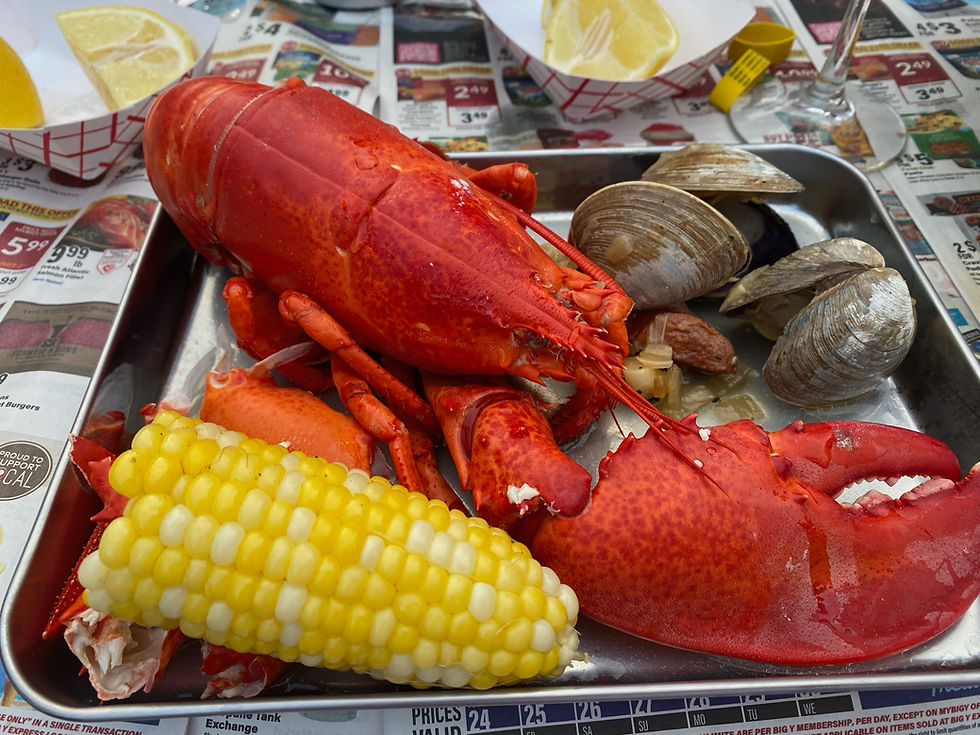
On social media, a clambake or lobster bake looked so effortless, and Ina made it look so easy on TV. The gorgeous videos of fresh seafood cascading onto a newspaper-covered table inspired you to invite your friends over tonight for this amazing dinner. It looked so easy online, didn’t it? But then reality sets in.
Suddenly, you are faced with completely different ingredients that cook at drastically different rates.
Panic takes over. What if the lobsters turn into rubber while you wait for the potatoes to cook? What if the potatoes become mashed potatoes before everything else cooks?
What you’ll learn about how to master a clambake in this article:
Part 1: The Tiered Cake Secret — Why the single-pot layering method cooks 5 different ingredients to perfection at the exact same moment.
Part 2: The Staggered Layering Timeline — The precise minute-by-minute timeline to add potatoes, sausage, corn, lobsters, clams, and shrimp.
Part 3: The 212°F Steam Factor — Why separate pots ruin your pot liquor (and why steam is your safest kitchen ally).
Seafood can be expensive, especially if you are cooking for a group. The fear of things not coming out right paralyzes you because you only get one shot. Instead of looking forward to a fun night with your friends, you already feel stressed-out and secretly wish the party was already over.
Or what if you just have a couple of people coming over? Do you make a clambake?
So, you turn to AI for help. It gives you some great ideas, but then contradicts itself on amounts and cook times. You end up feeling even more overwhelmed. What can you actually trust?
I get it. The answer is you can do this whether for a crowd or just for a couple of people, and you don’t need to dig a trench in your backyard or hire a catering crew to pull off a clambake. One of the things we talk about in the Inner Circle, my membership site, is how to solve for these types of situations.
Let’s take a few deep breaths and get a system in place on how to master a clambake.
Use the Idea of a Tiered Wedding Cake
Think of a classic clambake not as one giant, unpredictable pot of chaos, but as a tiered wedding cake. I gave this description to a member of the Inner Circle, our membership site and she loved it.
When a baker constructs a tiered cake, it is very calculated. The bottom layer is always the heavy, sturdy foundation. The top layer is the lightest, most delicate sponge. If you flip the cake upside down, the heavy layers crush the delicate ones into a sad, squished mess. I’m sure if you’ve watched The Great British Baking Show, you’ve seen some of these collapsed cakes.

A successful clambake uses this exact same structure. Your hard potatoes form the sturdy base layer at the bottom of the pot where the liquid simmers. Your delicate shrimp sit right at the very top tier, gently cooking in pure, rising steam. By building your meal layer-by-layer in a single pot, every single bite cooks at its ideal speed while each thing flavors the other.
Two Myths That Might Be Holding You Back From Having a Clambake
Let’s clear up two major myths right now so you can take a deep breath:

"I don't have the right equipment."
When I was growing up in Buffalo, New York, once a summer, my dad and his friends made clambakes an all-day spectacle. They’d dig a massive pit in the backyard, light a roaring fire, line it with seaweed, and haul out huge specialized pots.
I think those experiences taught me not to be afraid of doing a clambake, and that it probably doesn’t need to be that complex. When I was in college, I casually threw a clambake together right on my backyard grill in a regular stockpot. My friends were blown away!
The truth is, you can make this amazing meal right on your kitchen stovetop for 1 to 4 people using cookware you already own, which I'm a big fan of. In my Permission to Cook Small class, this is what we talk about. How to make some traditional meals, but for a small group and without a lot of leftovers.
"What on earth do I serve alongside a feast like this?"
Here is the secret: a clambake is the main dish and the side dish rolled into one!
Because you already have starches (potatoes) and vegetables (corn) built right into the pot, your job is effortless. All you need on the side is a crisp green salad with a tart lemon vinaigrette to cut through the richness, plenty of warm drawn butter, and a loaf of crusty sourdough bread to mop up that golden, seafood-infused broth (one of my favorite parts).
The Three Rules of Stress-Free Clambakes
1. Start with Your Foundation
Forget complicated chef jargon. To stop your potatoes from staying rock-hard or turning into mush, start with your foundation. Place your whole small red potatoes directly in the bottom of the pot with 2 to 3 inches of liquid (water, white wine, or beer). Bringing that liquid to a simmer gets the potatoes started early, giving them the head start they need before anything ever touches the pot.

Here’s a Tip: Practice with a Micro-Dish. If you want to practice this layering technique on a smaller scale, try my Stovetop Littleneck Clams with Chorizo. It uses sausage and fresh clams in a single pan to give you all those rich clambake flavors in just 20 minutes.
2. Build Your Layers Sequentially
Never dump everything into the pot at once, and never cook the ingredients in separate pots. You build your pot sequentially from the bottom up, letting the flavors marry into one unbelievable pot liquor.
Visual Layer Order & Timeline:
Minute 0 (Bottom Tier): Add whole small potatoes to 2 to 3 inches of simmering liquid. Cover and let them start cooking.
Minute 8 (Tier 2): Layer in your sliced sausage. The savory fat begins to render down into the broth.
Minute 12 (Tier 3 & 4): Add your fresh corn cob halves and live lobsters directly over the sausage.
Minute 16 (Top Tiers): Nestle your clams and shrimp on the very top of the pile.
Minute 22: The clams pop open, the shrimp turn pink, and the entire pot is cooked to perfection!
Once you add an ingredient, don’t peek. You need the steam to build back up to cook the next round of ingredients.
3. Graduate at Your Own Pace
If building a multi-layer steam pot feels a bit intimidating, that is completely okay! Keep it simple to start.
Practice steaming a single lobster first, or start with simple lobster rolls. Once your confidence grows, you can graduate to a full multi-tier clambake with total ease.

Your Starter Step: Try my delicious, foolproof Buttery Lobster Rolls Recipe. You get all the luxurious taste of fresh lobster with zero pot-layering stress!
Two Fatal Mistakes to Avoid
Fatal Mistake 1: Submerging the Seafood in Water
The Error: Filling your pot halfway with water and boiling your seafood. This leaches out all the sweet, natural juices into the water, leaving you with bland, waterlogged lobster and tough clams. I’ve had friends do this, and they were so bummed by the results that they didn’t try a clambake for years afterward.
The Fix: Use only 2 to 3 inches of liquid at the bottom of the pot. Cook entirely with trapped steam!
Fatal Mistake 2: Not Trusting the Steam (Cooking Ingredients Separately)
The Error: Fearing that steam won't cook the top layers through, so you cook the sausage, potatoes, and seafood in three separate pots.
The Fix: Trust the science of steam! Steam stays at a blistering 212°F (100°C)—just as hot as boiling water—and carries heat rapidly. When you cook everything in one pot, the rendered sausage fat, corn milk, and clam juices drip down over the potatoes, creating an incredible broth you’d completely lose if you cooked them separately. Plus you only have one pot to clean instead of three.
Building Your Seafood Confidence
A spectacular clambake isn't reserved for massive outdoor caterers or professional chefs. It simply comes down to smart layering.
So now you know how to master a clambake. Remember to start your potatoes early in the liquid. Then pile your seafood on top like a tiered cake. Finally, let the trapped steam do the work and build an incredible meal in a single pot.
Next Step:
Are you ready to take your first confident step toward mastering seafood steam times? Click here to read my complete guide on How to Cook a Lobster—where you'll learn visual cues for doneness, timing secrets, and stress-free handling!
You can also apply this thought process to prepping your weeknight meals. I've got some tips here - How to Meal Prep Faster by Thinking Like A Chef.
Frequently Asked Questions
How do I stop potatoes from getting mushy in a clambake?
Place whole small red potatoes in 2 to 3 inches of simmering liquid at the very bottom of the pot before adding your seafood. Giving them an early start allows them to cook through without sitting in boiling water for an extended time or turning to mush.
What side dishes should I serve with a stovetop lobster bake?
A clambake is a main dish and side dish rolled into one because potatoes and corn are cooked right in the pot! Simply serve it with a crisp green salad in lemon vinaigrette, warm drawn butter, and crusty sourdough bread to mop up the broth.
Can I make a clambake for just 2 people on the stovetop?
Yes! You do not need a specialized outdoor pit or massive equipment. A standard kitchen stockpot on your stovetop works brilliantly to cook a full clambake for 1 to 4 people.
Why should I cook everything in one pot instead of separate pots?
Cooking everything in one pot allows the rendered sausage fat, corn milk, and sweet clam juices to drip down over the potatoes, creating an incredible broth. Plus, steam stays at 212°F (100°C) to cook everything safely, leaving you with only one pot to clean.
Oh, and before I go
If you haven't yet subscribed: Here is the link to subscribe to my free newsletter where you get tips like this and some recipes for inspiration.
Three Minute Pantry Meals
These recipes are some of my go-to, last-minute meals I make right from my pantry. In just a couple of minutes, you too can have dinner on the table. Click on the button to download your copy now.



Great tips