How to Cook Lobster at Home for Beginners

Updated: Aug 15
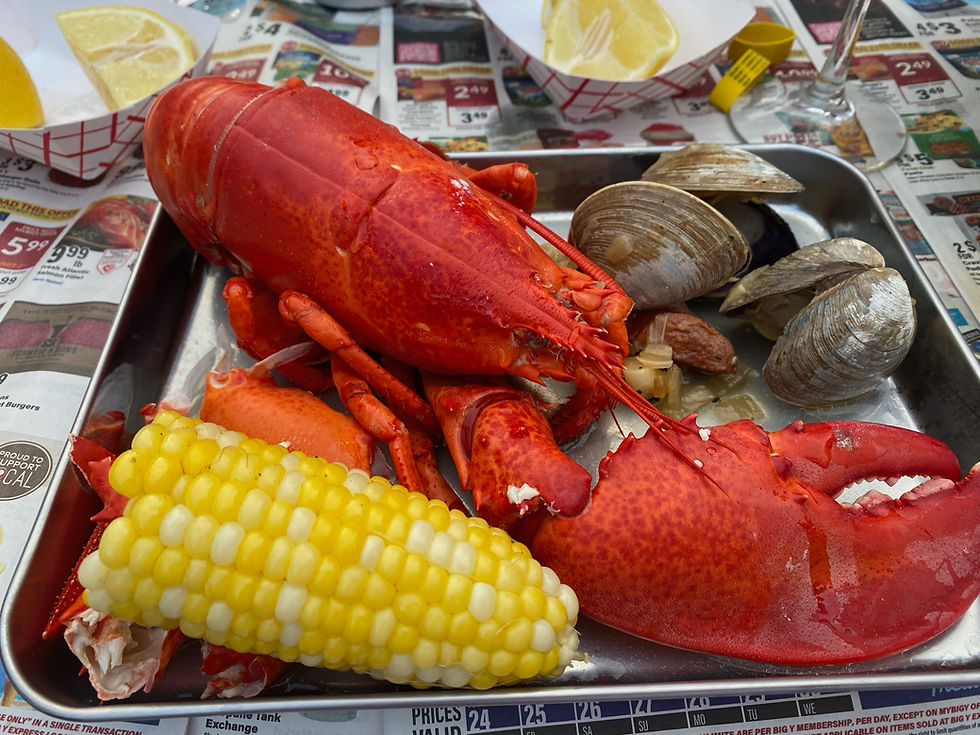
If you aren't from New England, cooking lobster at home can feel impossible. I mean, you have to cook the lobsters when they are live! First of all, that can be terrifying and a game stopper right there, but, second, what happens if you do it wrong? Will people get sick? Will you overcook it and you wasted that animal's life (not to mention the money you spent)?
What we'll cover so you can learn how to cook lobster at home:
What to look for when buying lobster. What clues can the lobster give you that it will be delicious for dinner?
Why steaming is better than boiling for you and the lobster.
What to serve with lobster (besides corn and garlic bread - my family's favorite)
When we moved from Ohio to New England, the fact that we could get lobsters at the grocery store was so crazy. In fact, whenever we used to go to the beach in Newport, Rhode Island, we would drive into town and stop by the local fishery and pick up lobsters for dinner. It was just what we did.
When family or friends came to visit in the summer, my parents made sure at least one meal was lobster - something they considered truly New England. They always served the lobster alongside corn on the cob and warm garlic bread. While I never quite figured out why they chose that combination, I can tell you it just works.
Today, lobster is always part of summer, especially when I lived on Cape Cod. There’s nothing better than sitting outside on a summer evening, smelling the ocean, and eating lobster. Oh, and yes, I still serve garlic bread and corn on the cob.
If you’ve never cooked a lobster before, the process can feel a bit intimidating. But cooking lobster at home—especially if you're just cooking for one or two people—is really simple once you understand the basics. The secret isn't fancy equipment; it's understanding heat and timing
Here is everything you need to know to pull off a flawless lobster dinner.
How to Pick the Freshest Lobster
Getting a great meal starts at the seafood counter. When you are selecting your lobsters, look for these key indicators:
Active and Feisty: Choose lobsters that are lively. When the fishmonger lifts them out of the tank, their tails should curl tightly under them, and their claws should raise up. If your lobster is lethargic, it may not be as fresh and has been hanging out in the tank too long.

Did you know that it can actually make the meat taste different? Yep! It loses its sweetness and can taste metallic.
Hard Shells vs. Soft Shells: If given the choice, opt for hard-shell lobsters. You may not have a choice, but you can always ask. I’ll tell you that because lobsters shed their shells as they grow, the summer is when they are growing. Go figure. The winter shells are harder. That doesn’t mean you can’t get harder-shelled lobsters in the summer, so go ahead and ask.
It is good to know that soft-shelled lobsters have more water in them and less meat than hard-shelled lobsters. Because lobsters are sold by the pound, this means that soft-shelled lobsters are less expensive.
Intact Antennae: Look for long, full antennae; they indicate a healthier and fresher lobster because the antennae haven’t been nipped at by the other lobsters.
Why Must Lobsters Be Kept Alive Until Cooking?
This is the number one question beginners ask, and the answer comes down to food safety and chemistry.
Behind the scenes: Lobsters naturally harbor harmful bacteria in their digestive tracts. The moment a lobster dies, these bacteria multiply at an extremely rapid rate and release toxins that cannot be destroyed by cooking. Yikes!
Additionally, as soon as the lobster dies, enzymes begin breaking down its muscle, turning the meat into mush. It’s as if the lobster is self-destructing. The moral of the story is don’t eat a dead lobster.
How to Store a Lobster: If you aren't cooking them immediately upon arriving home, keep them in the vegetable crisper of your refrigerator wrapped loosely in damp newspaper or damp paper towels. If you can get some seaweed, put that in there too. Never submerge them in tap water or put them in a sealed plastic bag because both will suffocate them and you will have dead lobsters.
Steaming vs. Boiling (Why Steaming Wins)
While boiling is popular, steaming is my preferred method—especially when cooking small batches for 1 to 4 people.
Why Steaming is the Way to Go
Steaming cooks the lobster at a slightly lower, more forgiving temperature than submerged boiling. It prevents the meat from absorbing excess water, keeping the natural juices concentrated and sweet.

Step-by-Step Steaming Instructions
Choose a pot large enough to fit your lobsters comfortably without overcrowding them.
Fill the pot with about 2 to 3 inches of water and add 2 tablespoons of sea salt (to mimic ocean water).
Bring the water to a rolling boil over high heat and place a steamer basket inside. If you don't have a steaming basket, it is fine, but the water can cool down when you add the lobster, so keep the heat high.
Place the lobsters in head-first, cover tightly with a lid, and wait for the steam to start to escape from the lid. Then, start your timer immediately.
How long to cook a 1 to 1 ¼ pound lobster:
Steam a standard 1 to 1¼ pound lobster for 12 to 14 minutes.
Add 1 to 2 minutes for every additional quarter-pound.
How to know when the lobster is done: The shell will turn bright red, and the antennae should pull away easily with a light tug.
If you want to boil your lobster, here’s a great video from James Hook & Co. in Boston.
Steaming is also the technique I prefer when I'm doing a full clambake. I have included my instructions, ingredients, and tips in my article on how to cook a clambake.

What to Serve with Lobster (Beyond Corn & Garlic Bread)
While the classic combo my parents served holds a nostalgic spot in my heart, you can easily branch out to other side dishes that balance the rich, sweet profile of lobster meat:
Roasted New Potatoes: Tossed with olive oil, sea salt, and fresh dill or parsley.
German Potato Salad: It doesn’t have mayo, but vinegar instead and complements the lobster.
Simple Green Salad: A crisp salad featuring peppery arugula, thinly sliced radishes, and a light lemon vinaigrette cuts through the richness of drawn butter.
Grilled Asparagus or Roasted Broccoli: The smoky, charred notes from green vegetables contrast beautifully with sweet seafood.
Grilled Asparagus, Mushrooms, and Feta: A little different version.
Coleslaw: A vinegar-based (rather than heavy mayo) cabbage slaw provides a bright, crunchy acidity.
If you do want some garlic bread, I might recommend my Ultimate Cheesy Bread. It is sooo good.
Here’s another tip: If you want to serve corn on the cob, for small groups you can wrap up damp corn in the husk and microwave them for about 3 minutes per ear of corn. If you have a larger group of people, then consider steaming shucked ears of corn.
Frequently Asked Questions
How do I humanely handle a lobster before cooking?
If you feel uncomfortable putting a live lobster straight into a steaming pot, you can chill it in the freezer for 15 to 20 minutes before cooking. This dulls its nervous system, putting it into a dormant state.
Alternatively, you can use a sharp chef's knife to swiftly pierce the head right at the cross-mark behind the eyes before putting it in the pot. This takes a lot of guts, and I can't do this, but if you've watched Julia Child's French Chef, she does it like a pro.
How much cooked meat do you get from a 1-pound lobster?
On average, a whole lobster yields about 20% to 25% of its total body weight in meat. A standard 1 to 1¼ pound lobster will give you roughly 3.5 to 4 ounces of actual meat, which is ideal for an individual serving.
What is the green stuff inside the lobster?
The green stuff in the body is called tomalley. It acts as the lobster's liver and pancreas. Many seafood lovers, including my Dad, love this because of its concentrated flavor, but if it isn't your thing, simply scrape it away and discard it before eating.

Can I store leftover cooked lobster meat?
Yes! Remove the cooked meat from the shell entirely, allow it to cool, and store it in an airtight container in the refrigerator for up to 2 days. Cold leftover lobster meat is perfect for a quick individual lunch—try tossing it with a touch of mayonnaise and fresh chives for a quick homemade lobster salad, or warm it in butter for a lobster roll.


Summer definitely says lobster